N/A
N/A

Our mission is to provide a comprehensive and structured environment for individuals transitioning from addictive behaviors and their associated challenges. We aim to create a space that fosters recovery, education, and personal growth by promoting awareness, acceptance, and action. Our goal is to empower clients to advocate for themselves, develop a robust skill set, and achieve accountability, ultimately facilitating their successful reintegration into the community.
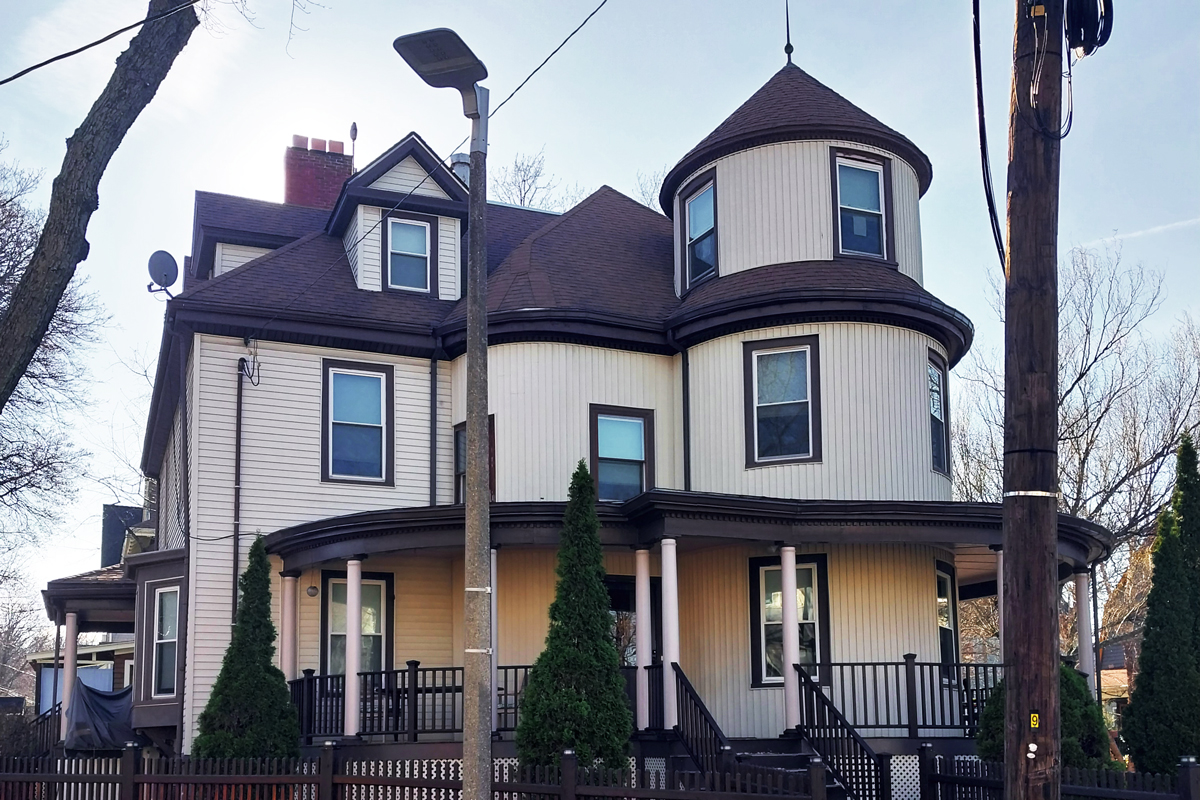
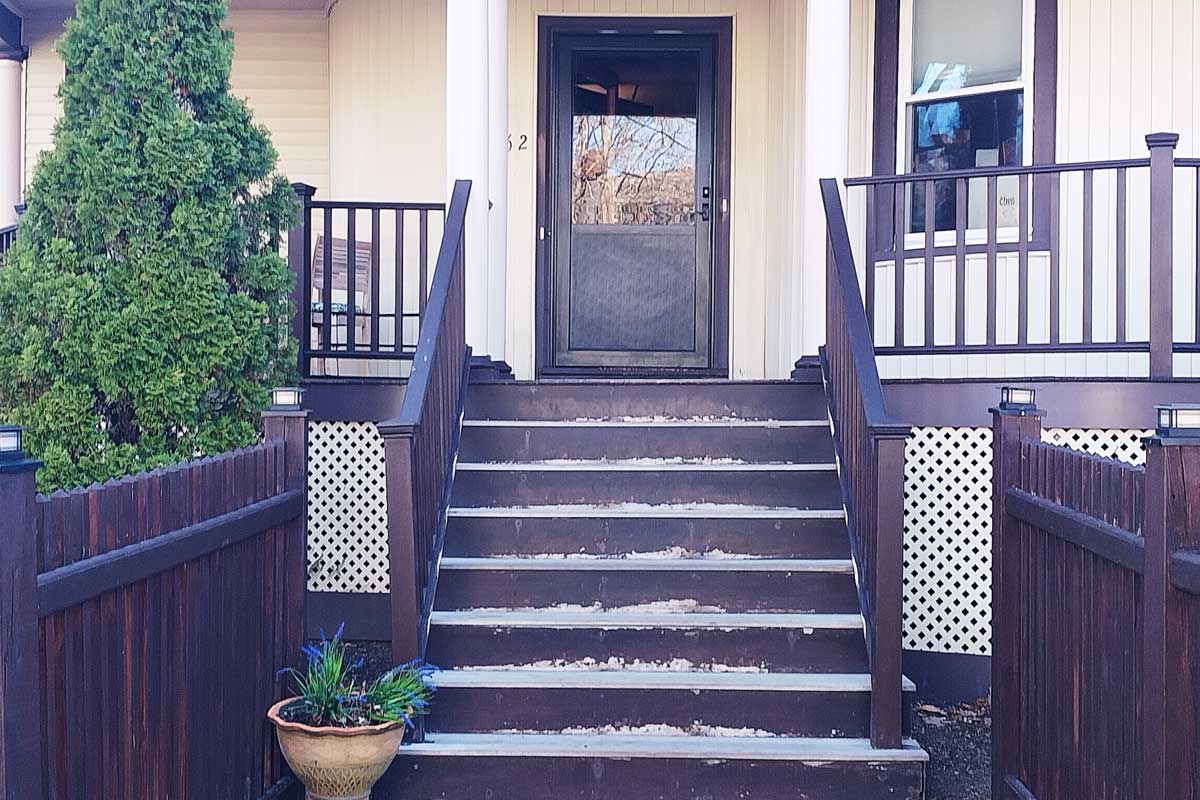
Interim House offers guidance and the necessary tools for recovery through relapse prevention groups, skill-building activities, 12-step individual counseling, and support network development within the community via self-help groups, medical, and therapeutic care. In exchange, clients are expected to follow program rules and policies. These include active participation in the therapeutic processes and developing daily living skills, such as personal finance management, hygiene, housekeeping, interpersonal relationships, and employment.
Interim House offers guidance and the necessary tools for recovery through relapse prevention groups, skill-building activities, 12-step individual counseling, and support network development within the community via self-help groups, medical, and therapeutic care. In exchange, clients are expected to follow program rules and policies. These include active participation in the therapeutic processes and developing daily living skills, such as personal finance management, hygiene, housekeeping, interpersonal relationships, and employment.
The therapeutic approach at Interim House is centered on a recovery-focused, resident-centered model. The program utilizes evidence-based models, incorporating the Stages of Change and ASAM criteria, to create individualized treatment plans, progress notes, and case management.
Individual counseling and case management sessions are designed to prepare residents for ongoing participation in weekly counseling, group counseling, and relapse prevention groups. These methods have been proven effective for supporting individuals in early recovery and addressing mistaken beliefs and behaviors that may hinder sobriety.
The recovery-centered cognitive behavioral therapy (CBT) model used is based on the work of Dr. John McPeake, particularly his research on “Ecological Relevant Cognitive Behavior Therapy: The slogans and says of Twelve Step Programs and Their Use in Chemical Dependency Treatment.” Client groups focus on the significant changes that slogans and sayings can inspire in individuals.
The CBT process is further informed by Prochaska’s Stages of Change and the motivational interviewing techniques of Rollnick and Miller. This therapeutic design meets clients at their current stage and supports them in progressing to a stage where sustained change is more likely.
Interim House’s mission is to accept all adults with substance abuse disorders or co-occurring disorders into the program. With a reasonable level of motivation and readiness for treatment, residents are given the opportunity—whether it is their second or seventieth attempt—to achieve long-term sobriety and an improved quality of life.
Interim House is committed to the ongoing training of staff to ensure the highest quality treatment and support for residents. Staff members work collaboratively with residents to help them achieve their individual goals.